LIBERTY AND JUSTICE FOR ALL

Tracing 250 years of America’s evolving pursuit of equality under law.

This timeline traces the ongoing story of liberty and justice in America — from the founding documents to the courtrooms of New York, the halls of Congress, and American streets in between. It is a story of a nation slowly, imperfectly, and not without struggle learning to live up to its own founding words of equality.

Each entry marks a moment when the question “Who is included?” was asked — and sometimes answered — anew.

1735THE PROMISE

Crown v. John Peter Zenger — Freedom of the Press

Before the nation existed, a New York printer named John Peter Zenger was put on trial for publishing criticism of the colonial governor. The judge instructed the jury that truth was no defense against libel. The jury disagreed and returned a not-guilty verdict, rejecting a law they saw as unjust.

This case would echo through the Constitution’s Bill of Rights more than fifty years later.
America 250 slide: A Nation Declares Liberty
1776THE PROMISE

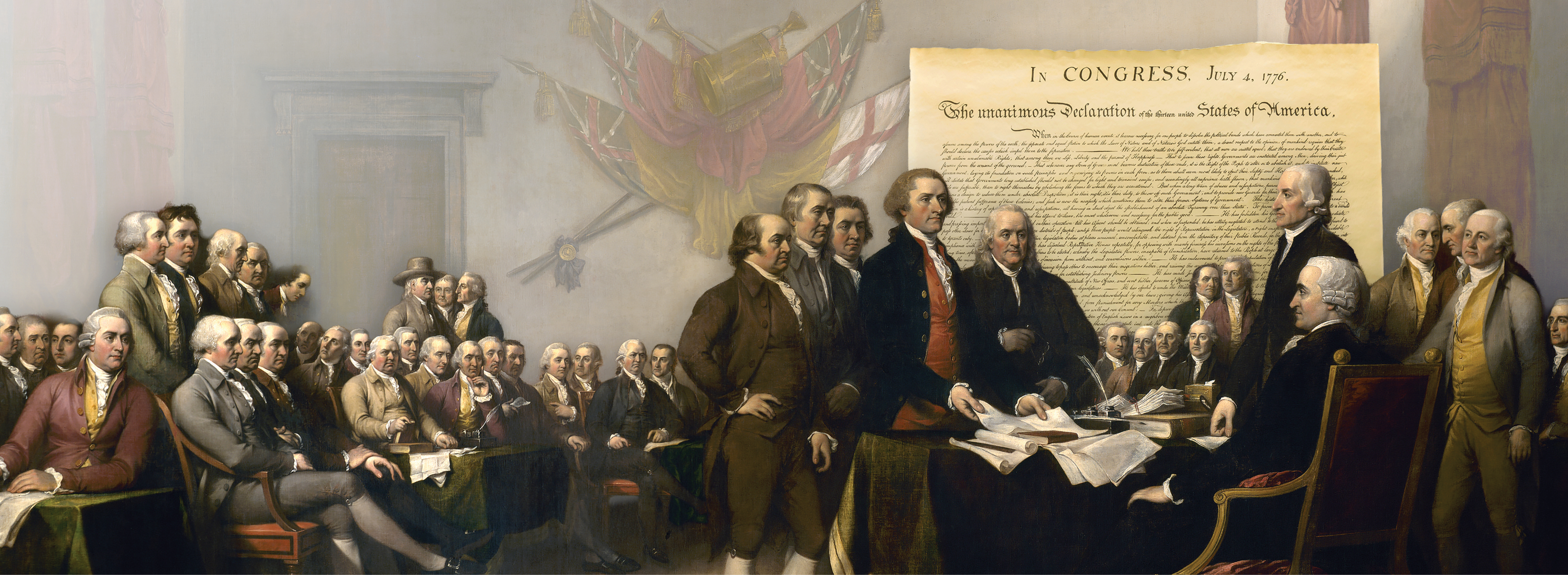
A Nation Declares Liberty

In 1776, a new nation declared that liberty was an inherent right. This revolutionary idea challenged monarchy and reshaped the world.

As a divided colony, New York was the last to authorize signing of the Declaration of Independence, not doing so until July 9, 1776.

While the Declaration promised equality, the promise was incomplete. Women, enslaved people, Indigenous communities, and many others were excluded. The question began here: Who is included in “all”?

1777THE PROMISE

First New York State Constitution

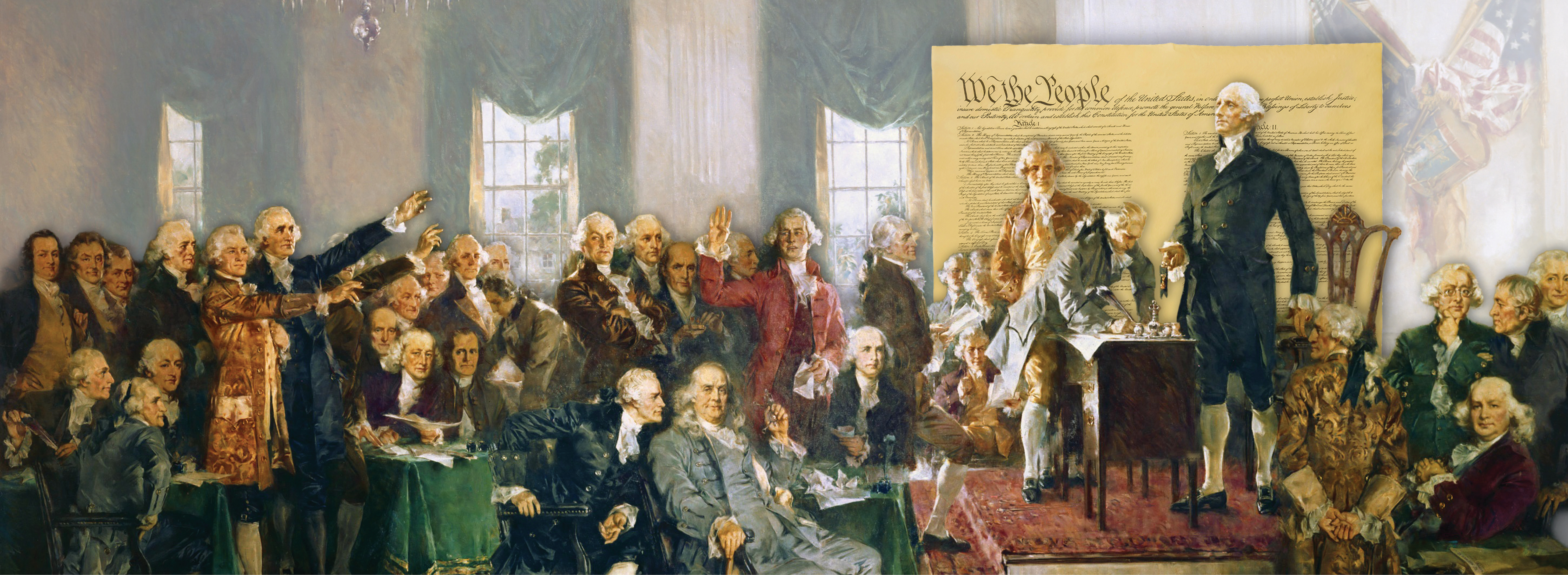
The first New York State Constitution, written largely by John Jay, memorialized much of the language of the Declaration of Independence and would go on to serve as a model for the United States Constitution. It established the framework of government that New Yorkers would live under as the new nation took shape.

America 250 slide: Liberty Written Into Law
1787–1791THE PROMISE

Liberty Written Into Law

A fierce debate between the Federalists and Anti-Federalists took center stage in New York with the publication of the Federalist Papers. Ultimately, a framework for justice took shape: an independent judiciary, the rule of law, protections for individual rights, and trial by jury.

The Bill of Rights guaranteed fundamental freedoms, many with deep New York roots, including speech, press, religion, due process, and trial by jury. For the first time, liberty was written into law.

America 250 slide: New York Begins Ending Slavery
1799LIBERTY EXPANDS

New York Begins Ending Slavery

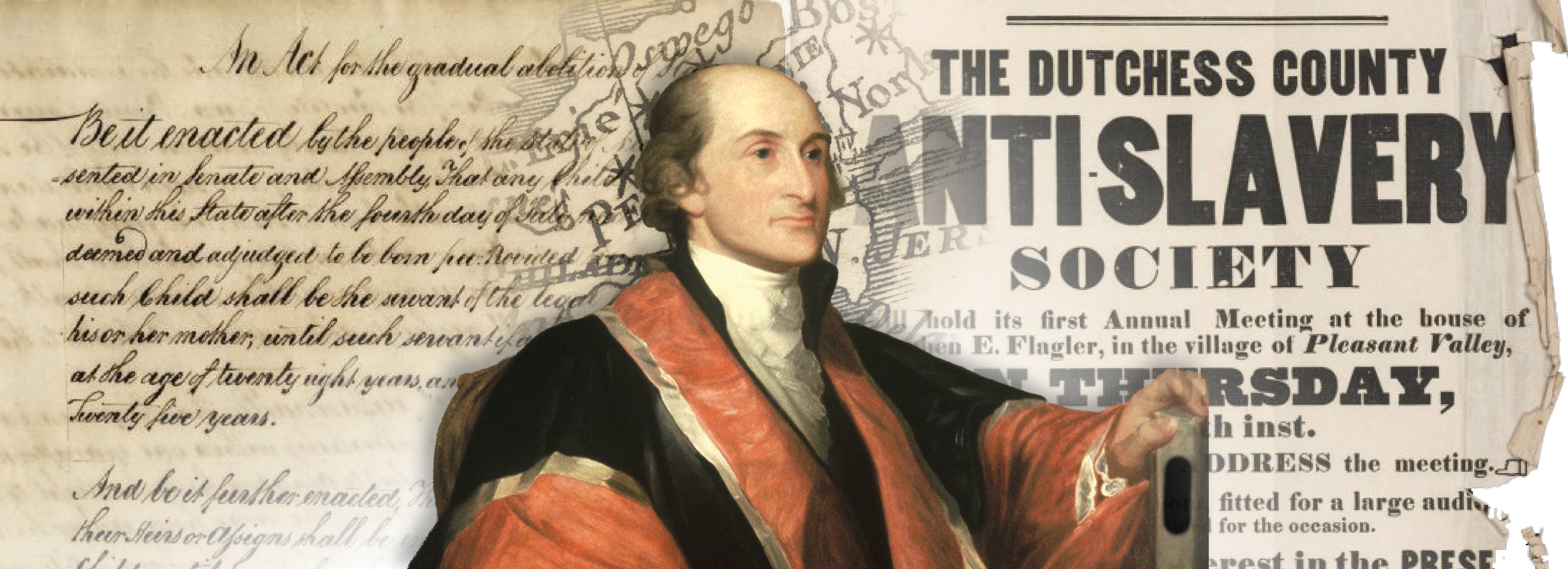
New York passed the Gradual Emancipation Act, freeing enslaved children born after July 4, 1799, but they remained indentured until age 28 for males and 25 for females.

The Act provided a path to freedom for children but continued to enslave adults. It was a half-step forward on a long road.

1817LIBERTY EXPANDS

New York Moves One Step Closer — Final Emancipation Act

The Final Emancipation Act freed all New York slaves born before July 4, 1799, but not until July 4, 1827. A long 28-year struggle for freedom continued.

America 250 slide: Sojourner Truth Wins in Court
1828LIBERTY EXPANDS

Sojourner Truth Wins in Court

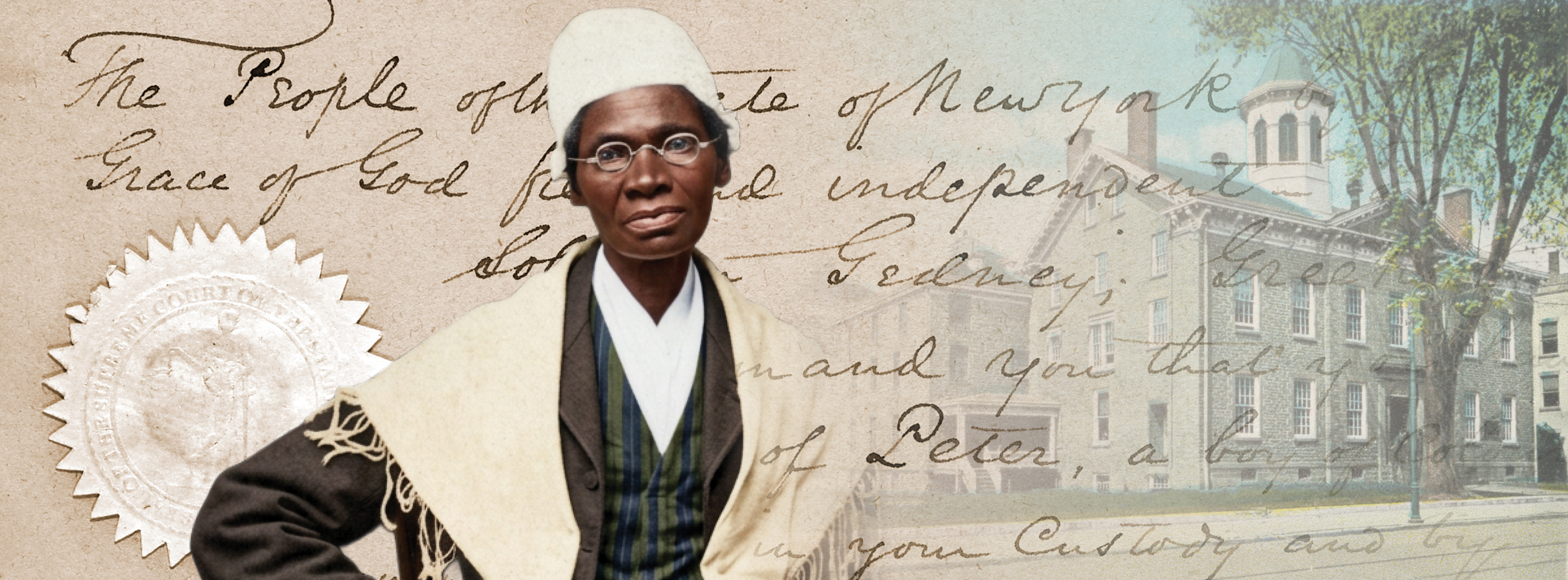
Sojourner Truth became the first Black woman to win a legal battle against a white man, winning the freedom of her son Peter from slavery in Ulster County, New York.

For the first time, a Black woman prevailed in court.

1848LIBERTY EXPANDS

Seneca Falls — The Women’s Rights Movement Begins

The first women’s rights convention in American history was held in Seneca Falls, New York. Organized by Elizabeth Cady Stanton, Lucretia Mott, Martha Coffin Wright, Mary Ann M’Clintock and Jane Hunt, the convention produced the Declaration of Sentiments.

The document deliberately mirrored the Declaration of Independence: “We hold these truths to be self-evident: that all men and women are created equal.” It would take 72 more years before women won the right to vote.

America 250 slide: Freedom Crosses State Lines
1852–1860LIBERTY EXPANDS

Freedom Crosses State Lines

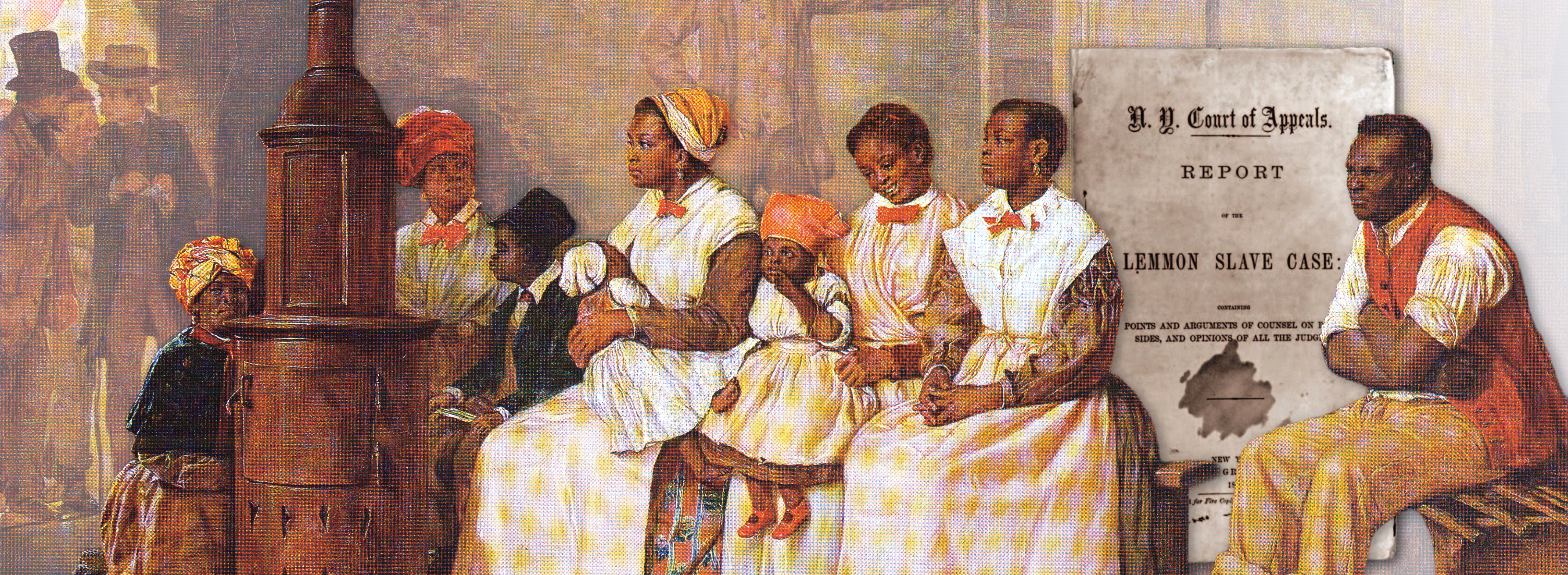
Louis Napoleon, a free Black man, filed a writ of habeas corpus in the Superior Court of the City of New York to free a group of eight enslaved people traveling through New York with enslavers Jonathan and Juliet Lemmon.

Judge Elijah Paine ruled: “The Law of nature says there can be no property in a slave.” In March 1860, the New York Court of Appeals affirmed the decision.

America 250 slide: The Constitution Transformed
1863–1870LIBERTY EXPANDS

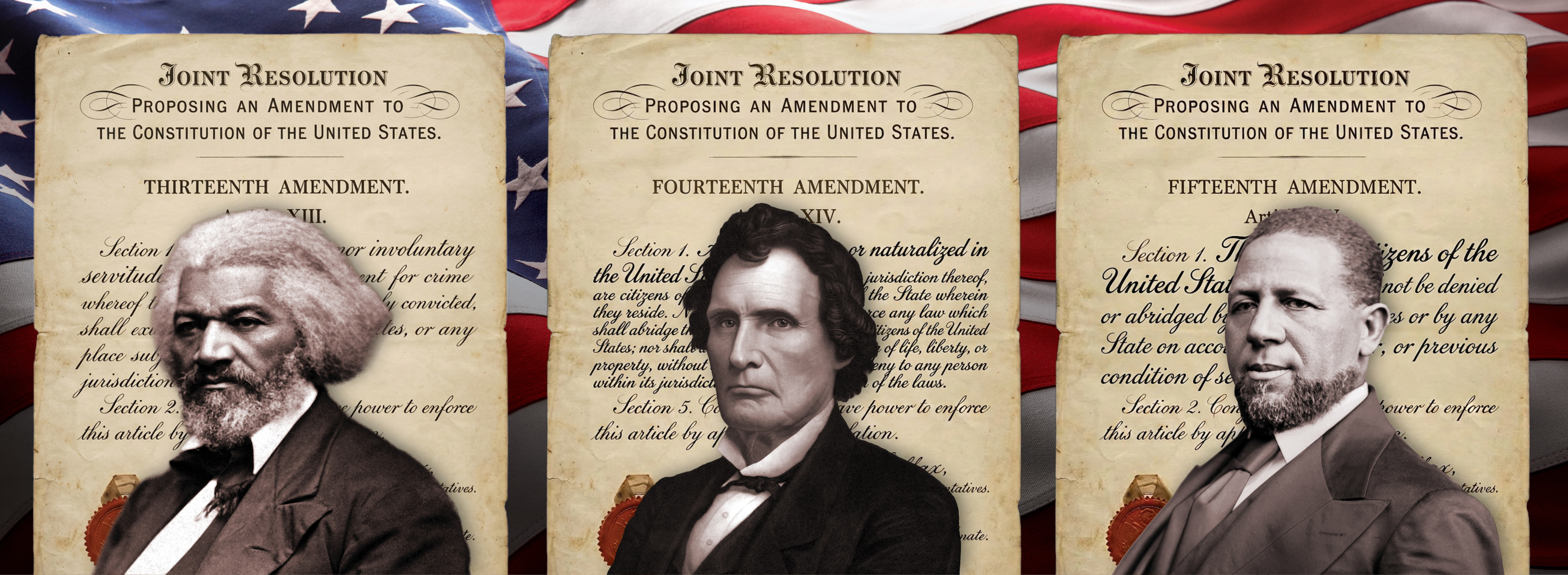
The Constitution Transformed

While New York moved to full emancipation on July 4, 1827, it would be decades before the nation confronted its deepest contradiction: slavery.

The 13th Amendment abolished slavery, the 14th Amendment guaranteed equal protection and due process, and the 15th Amendment protected voting rights regardless of race.

1883JUSTICE CHALLENGED

People ex rel. King v. Gallagher — A Step Backward in New York

Even as Reconstruction Amendments expanded rights nationally, New York’s Court of Appeals upheld school segregation under state law, relying on the Common School Act of 1864.

The decision reflected legal reasoning later echoed in Plessy v. Ferguson, which upheld the doctrine of “separate but equal.”

1886RIGHTS PROTECTED

Yick Wo v. Hopkins — Equal Protection Across Race

The U.S. Supreme Court ruled in Yick Wo v. Hopkins that the 14th Amendment’s equal protection guarantee applies to all persons, not just citizens, regardless of race or national origin.

The case arose from discriminatory enforcement of a San Francisco ordinance against Chinese laundry operators and established that race-neutral laws applied in discriminatory ways were unconstitutional.

1892LIBERTY EXPANDS

Ellis Island — America’s Gateway

Ellis Island opened as the nation’s primary immigration station, through which more than 12 million immigrants would pass over the next 62 years.

The promise of the harbor and the reality of immigration law were in constant tension, as Chinese immigrants faced exclusion under the Chinese Exclusion Act of 1882.

America 250 slide: Justice Takes a Step Back
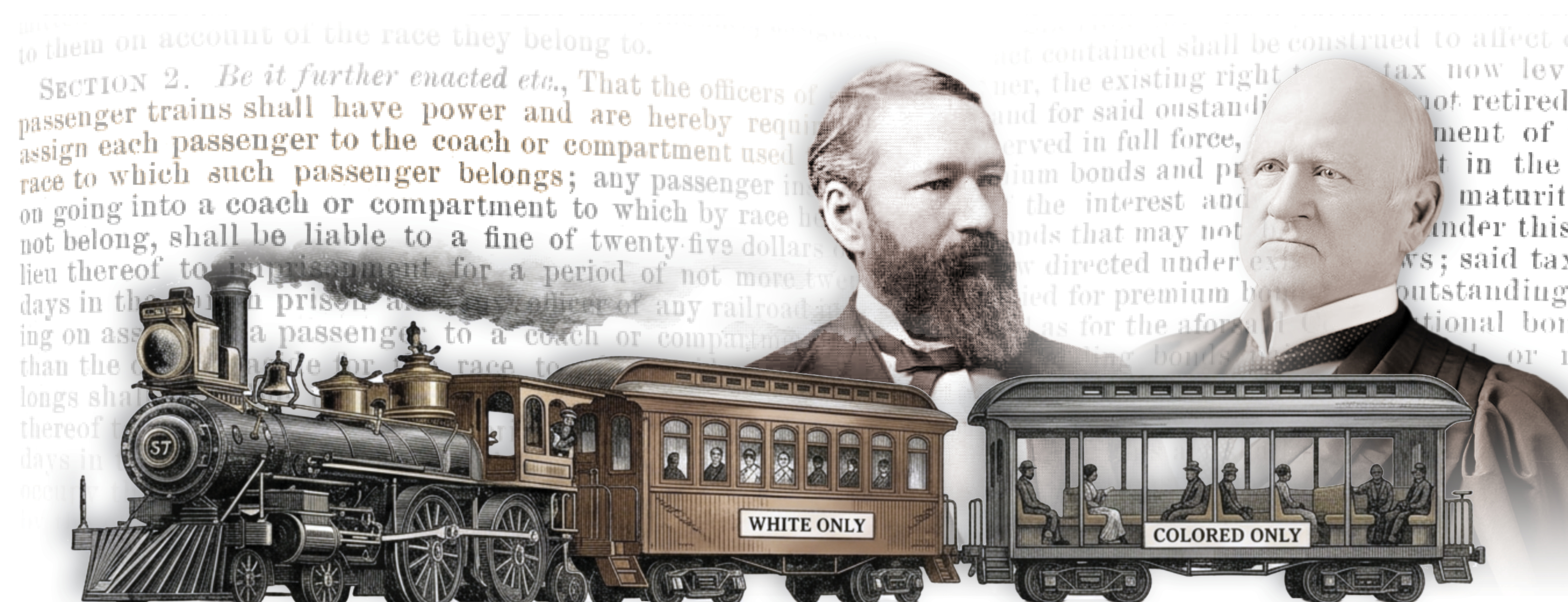
1896JUSTICE CHALLENGED

Justice Takes a Step Back

By 1896, slavery had been abolished nationwide, yet equality under the law remained elusive. In Plessy v. Ferguson, the United States Supreme Court upheld racial segregation under the doctrine of “separate but equal.”

Justice is not always a straight path forward. Sometimes, the law reflects society’s failures.

1905JUSTICE CHALLENGED

Lochner v. New York — Workers’ Rights and the Limits of the Courts

New York’s Court of Appeals upheld a state law limiting bakers to 60 hours of work per week, but the U.S. Supreme Court disagreed, striking down the law in the name of “liberty of contract.”

The decision blocked labor protections for decades until West Coast Hotel Co. v. Parrish signaled a new era of recognition for the state’s authority to protect workers.

America 250 slide: A New Voice in Democracy
1920LIBERTY EXPANDS

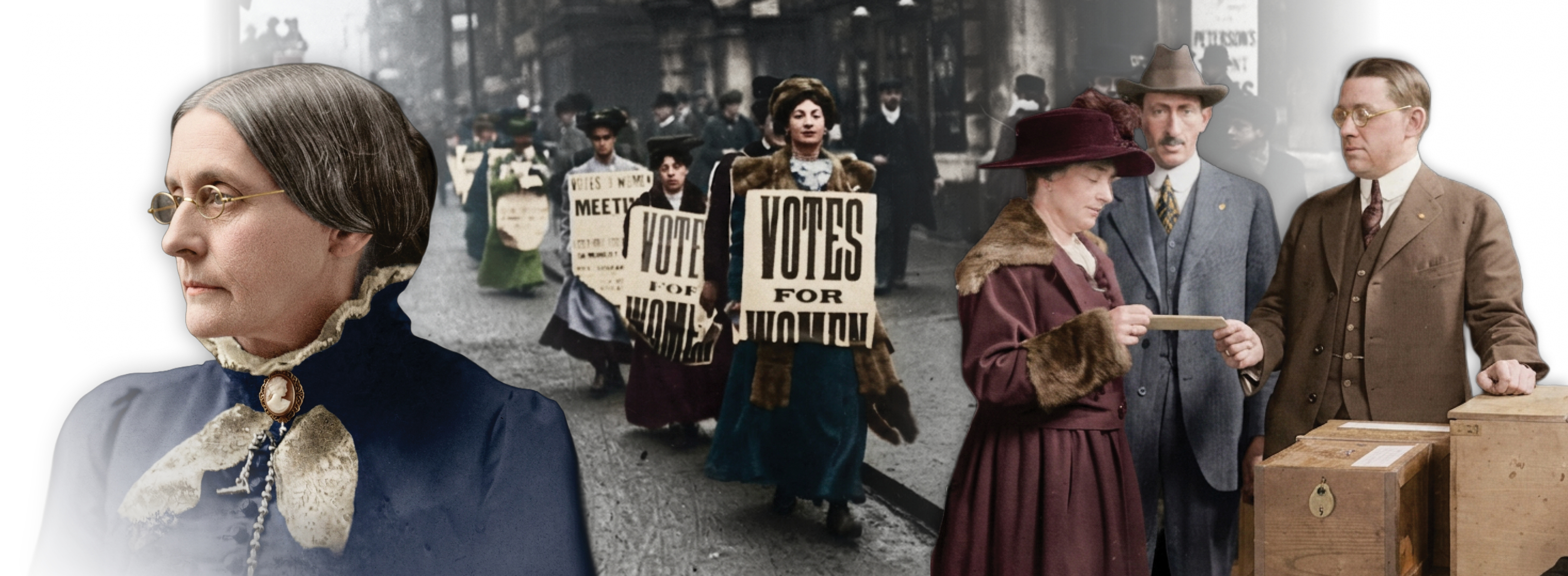
A New Voice in Democracy

After more than 70 years of advocacy, beginning with the Seneca Falls convention in 1848, women gained the right to vote with the ratification of the 19th Amendment.

Leaders like Susan B. Anthony and Elizabeth Cady Stanton helped transform the nation. The definition of “We the People” grew stronger.

America 250 slide: Citizenship Extended
1924LIBERTY EXPANDS

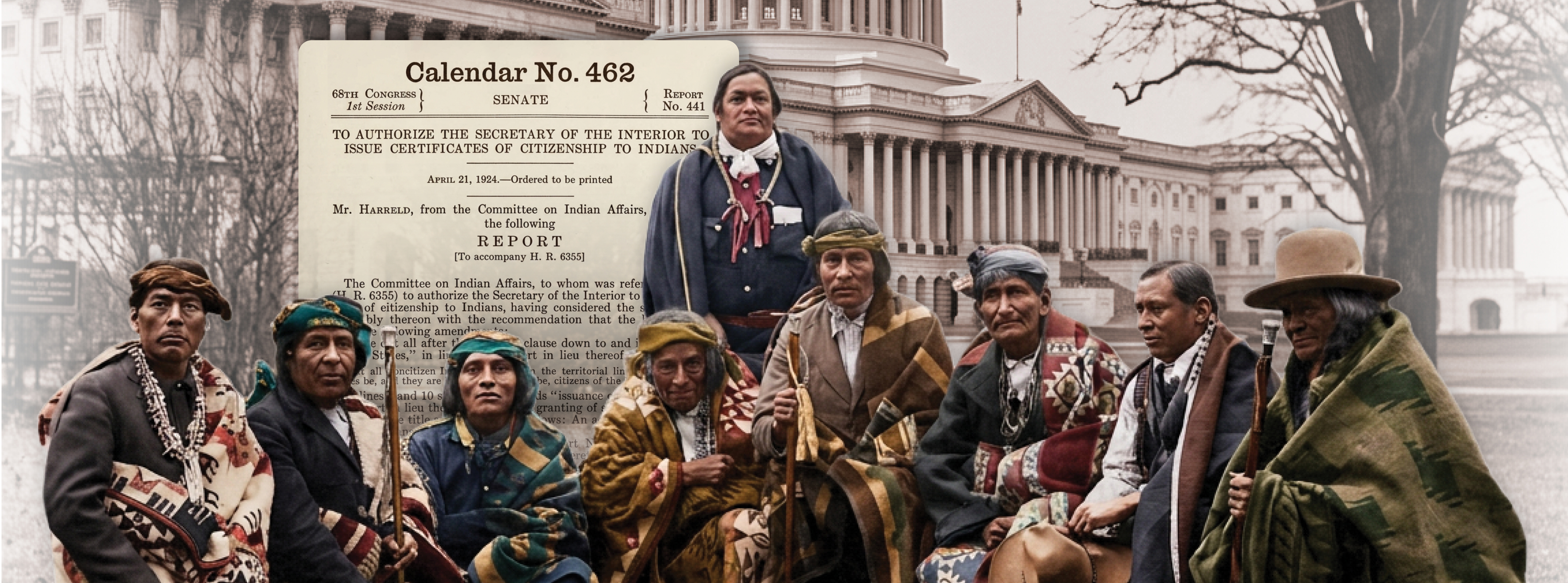
Citizenship Extended

In 1924, Congress granted U.S. citizenship to Native Americans born in the United States.

Although the 15th Amendment had guaranteed voting rights decades earlier, many Indigenous people were still denied full participation in American democracy.

1942–1944JUSTICE CHALLENGED

Korematsu v. United States — Justice Denied in Wartime

Following the attack on Pearl Harbor, the U.S. government ordered the forced relocation and internment of approximately 120,000 Japanese Americans, most of whom were U.S. citizens.

In 1944, the Supreme Court upheld the internment. Korematsu’s conviction was vacated in 1983, and the case remains a reminder that constitutional rights are most at risk in times of fear.

1943RIGHTS PROTECTED

Hillburn, New York — Desegregation Before Brown

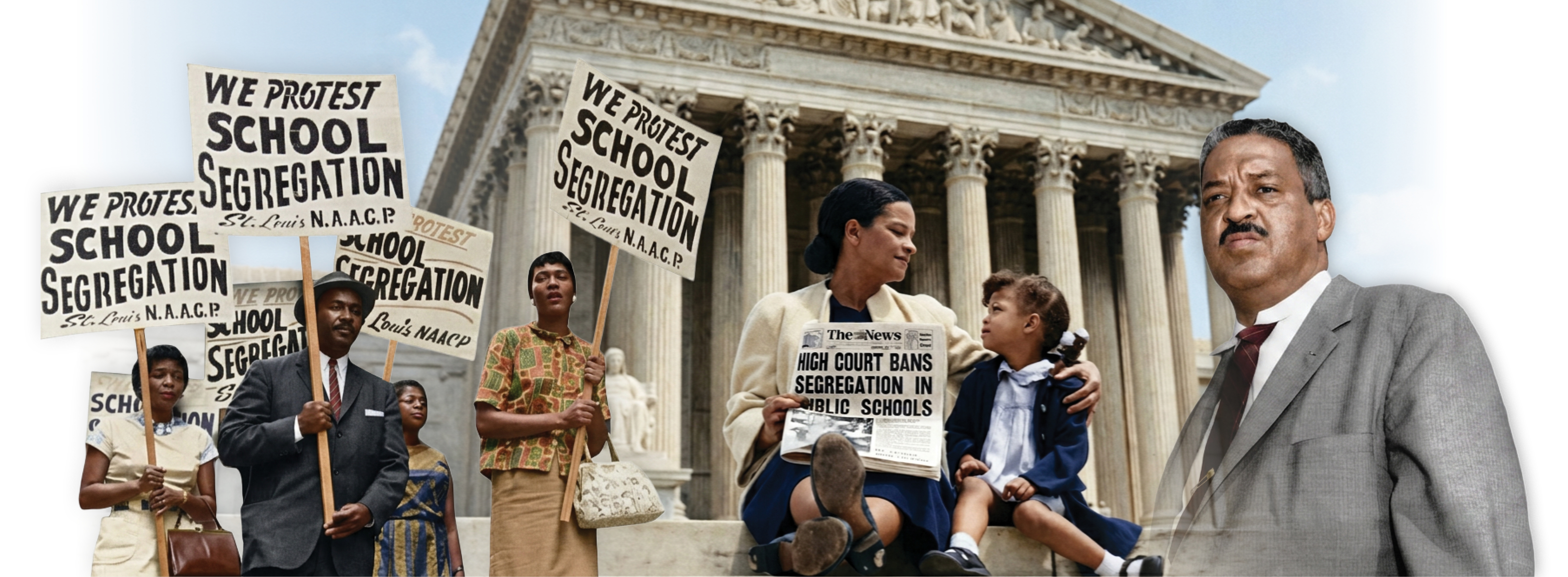
In Hillburn, Rockland County, New York, Thurgood Marshall took on a school desegregation case more than a decade before Brown v. Board of Education.

Black families boycotted the segregated Brook School and demanded access to the all-white Main School, challenging the assumption that segregation was only a Southern problem.

1947RIGHTS PROTECTED

Mendez v. Westminster — Desegregation for Mexican American Students

Seven years before Brown v. Board of Education, a federal court ruled in Mendez v. Westminster that the segregation of Mexican American students in Orange County, California was unconstitutional.

Mendez established that “separate but equal” was a legal fiction for Latino students and that segregation itself caused harm.

America 250 slide: Separate Is Not Equal
1954RIGHTS PROTECTED

Separate Is Not Equal

In Brown v. Board of Education, the Supreme Court ruled that racially segregated schools are inherently unconstitutional and declared “separate” inherently unequal.

In Hernandez v. Texas, issued the same month, the Court explicitly extended 14th Amendment protections to Mexican Americans.

America 250 slide: Justice Requires Representation
1963RIGHTS PROTECTED

Justice Requires Representation

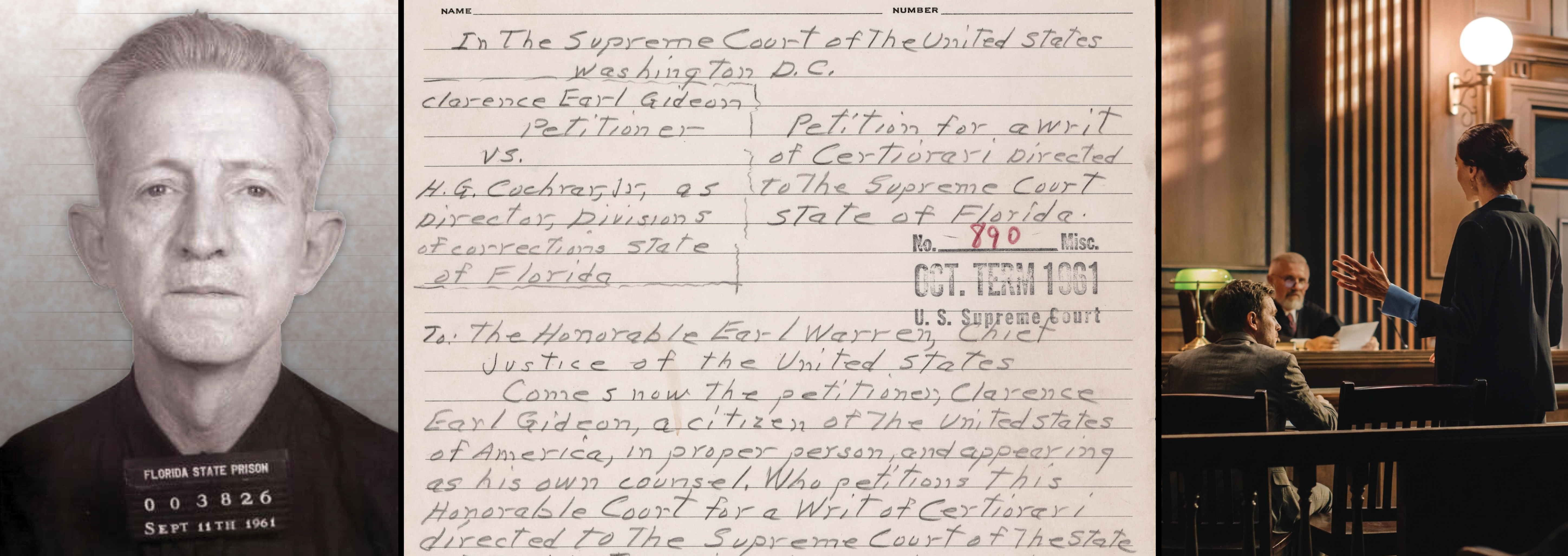
In Gideon v. Wainwright, the Supreme Court ruled that criminal defendants who cannot afford an attorney must be provided one.

The decision strengthened protections under the 6th and 14th Amendments and affirmed that justice cannot depend on wealth.

America 250 slide: Equality Protected by Law
1964–1965RIGHTS PROTECTED

Equality Protected by Law

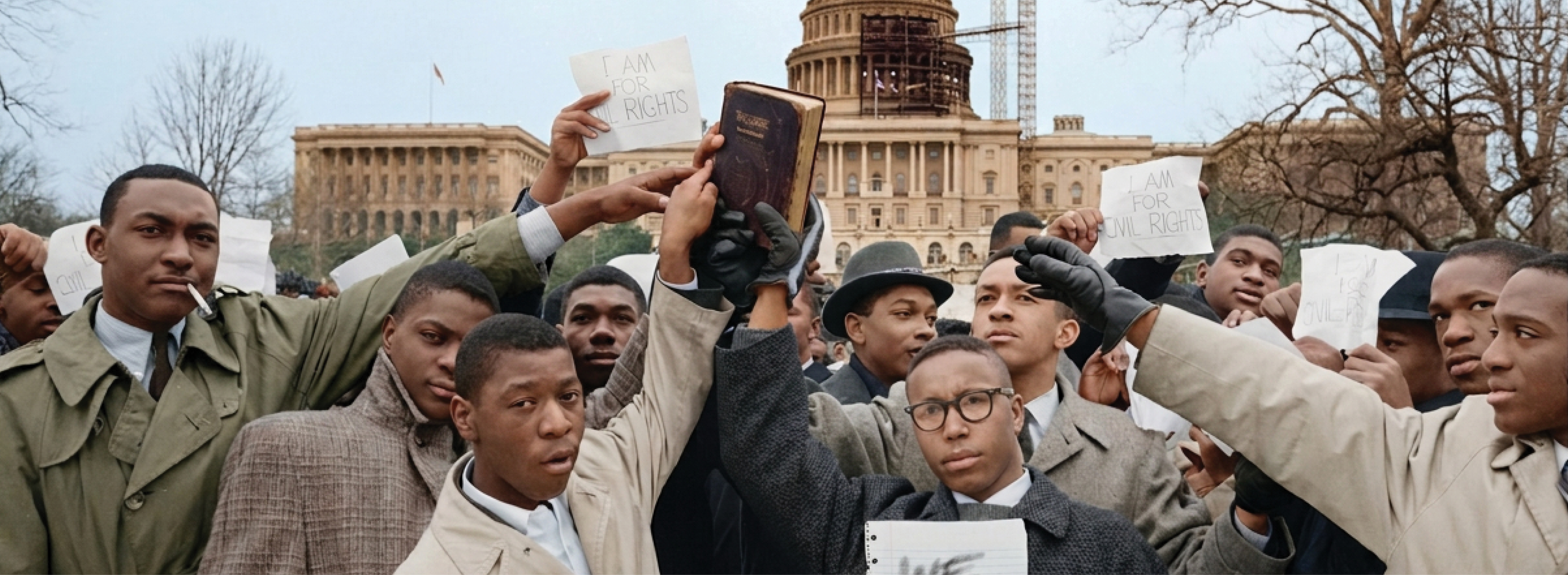
The Civil Rights Act of 1964 outlawed discrimination based on race, color, religion, sex, or national origin.

The Voting Rights Act of 1965 protected the right to vote and targeted discriminatory practices, moving justice from principle to practice.

America 250 slide: Democracy Without Barriers
1966RIGHTS PROTECTED

Democracy Without Barriers

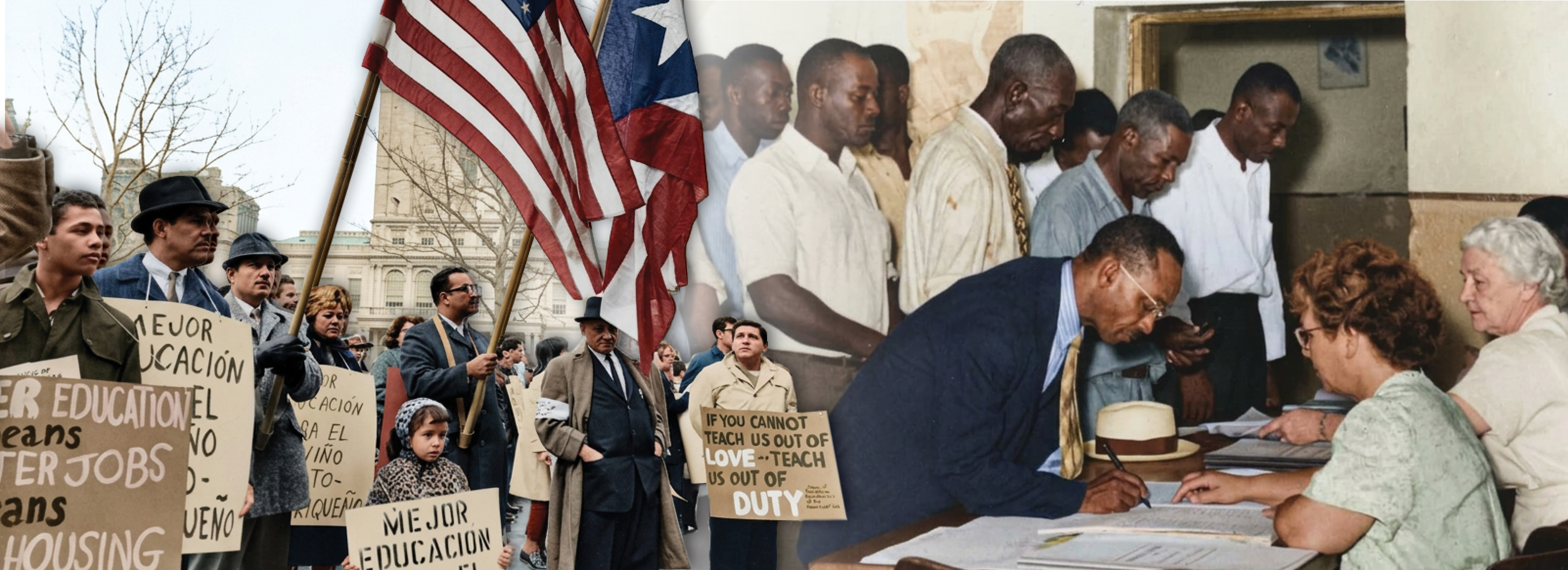
In Katzenbach v. Morgan, the Supreme Court upheld provisions of the Voting Rights Act of 1965 that protected certain New York voters from English-language literacy requirements.

Thurgood Marshall, serving as U.S. Solicitor General, successfully defended the federal law.

1960s–PresentRIGHTS PROTECTED

Rights in the Courtroom — Protecting Individuals in the Justice System

A series of landmark Supreme Court decisions strengthened constitutional protections for individuals in the criminal justice system, including Gideon v. Wainwright, Miranda v. Arizona, Mapp v. Ohio, and New York’s People v. De Bour.

Justice means not just laws, but how they are applied.

America 250 slide: Liberty Continues to Evolve
2003–2015LIBERTY EXPANDS

Liberty Continues to Evolve

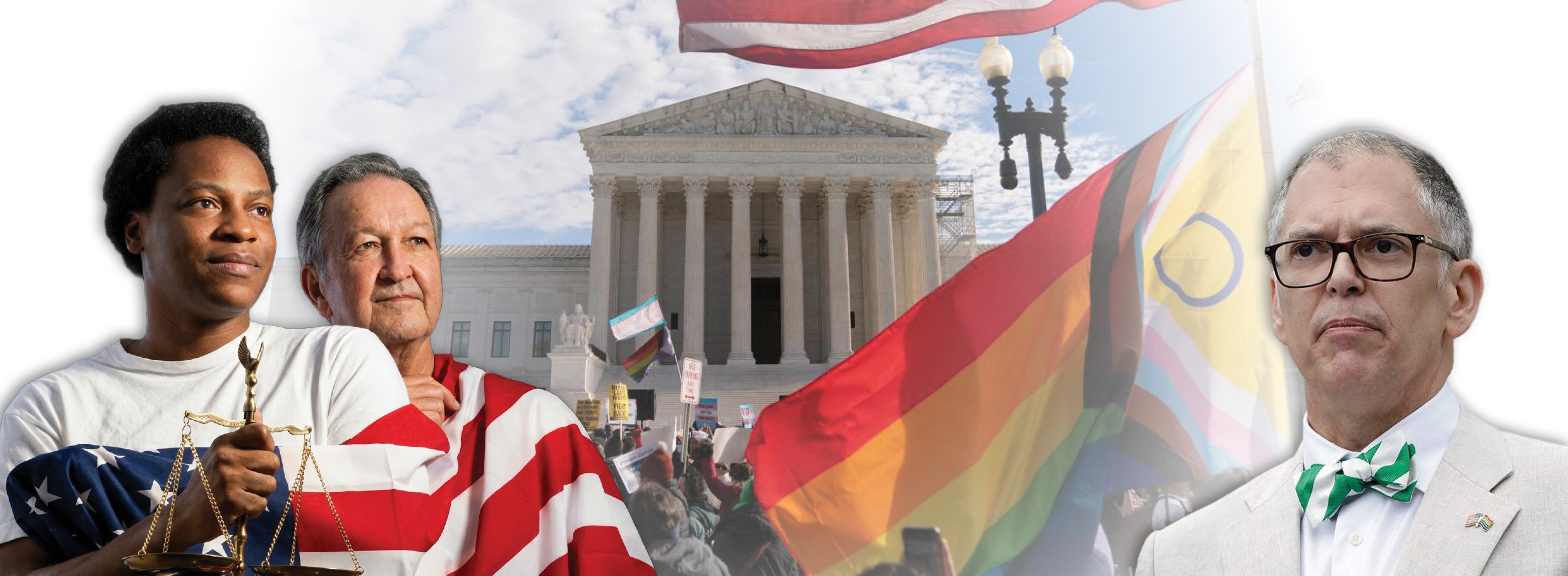
The Supreme Court affirmed fundamental rights for LGBTQ+ Americans in Lawrence v. Texas and Obergefell v. Hodges.

New York’s role included People v. Onofre, Braschi v. Stahl Associates, Hernandez v. Robles, and the Marriage Equality Act of 2011.

America 250 slide: Justice Must Be Accessible
TodayTHE WORK CONTINUES

Justice Must Be Accessible

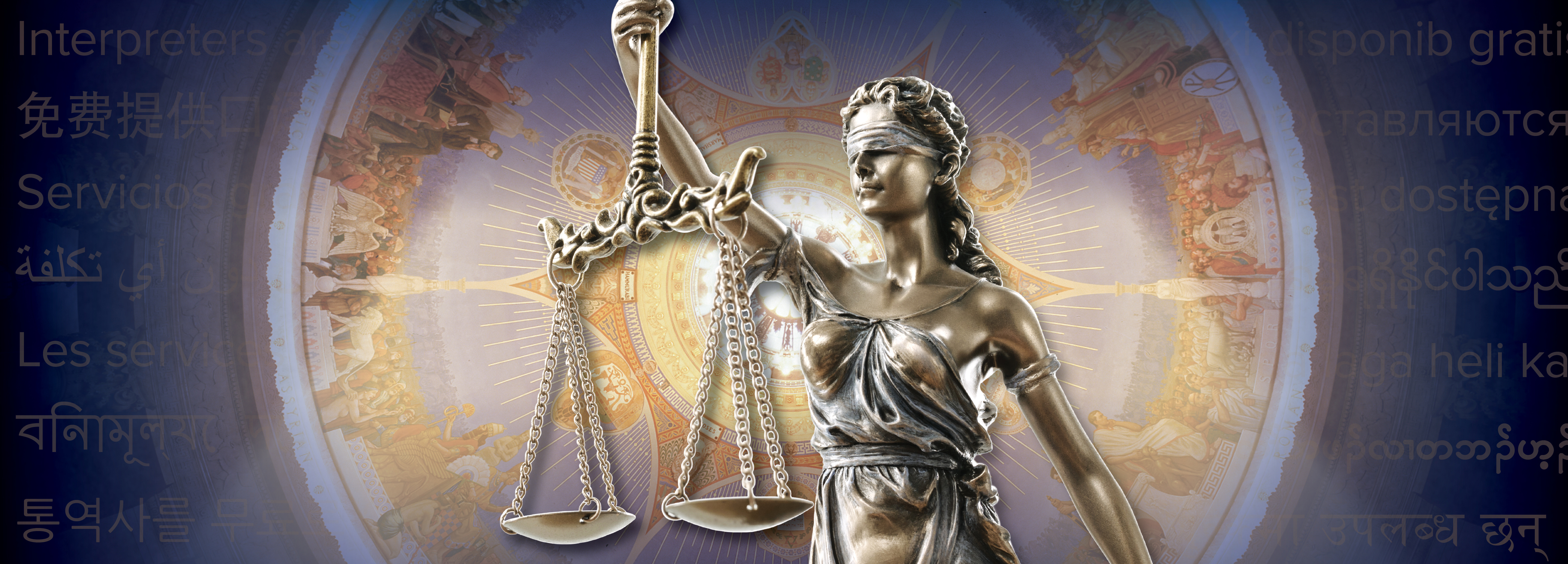
Today, courts continue to expand access to justice not just through the enforcement of rights, but through the process of justice.

Problem-solving courts, language access services, simplified court processes, and virtual appearances help make justice more accessible.

2026THE NEXT 250 YEARS

The Next 250 Years — The Next Chapter Begins

250 years after the signing of the Declaration of Independence, the promise remains a work in progress. Inclusive strides have been made, but barriers still exist.

The question now belongs to all of us: How will the next generation expand the meaning of liberty and justice for all?