
Address
Supreme Court Law Library
Onondaga County Courthouse
401 Montgomery Street, 5th Floor
Syracuse, NY 13202
Phone: 315-671-1144
Email: [email protected]
Court Attorney Referee
Sara Lowengard
Hours
Monday - Friday, 8:30am - 4:00pm
(Closed State & Federal holidays)
No appointment necessary.
Help Centers operate on a first come, first served basis.
Clinics
All clinics are free of charge. Please call ahead to confirm that the clinic is taking place on the day you wish to attend. All clinics are drop-in except for the Digital Literacy Clinic, which requires an appointment.

Get free, confidential legal help with debt. Volunteer lawyers can explain your options, help you draft court forms and support you with issues like credit cards, medical bills, student loans, car loans and more.

Boost your digital confidence in this hands‑on session. In just one morning, you can learn to navigate a computer, browse the internet, complete online forms, manage email, join virtual events, create documents or get started with Microsoft Teams. Perfect for anyone ready to feel more capable and connected online.

Housing program offers free legal help to tenants facing eviction, dealing with unsafe living conditions or needing repairs. Tenants can get representation in eviction cases, attend drop‑in clinics for legal advice and receive help filling out court forms.
If you need help filing a petition for custody, visitation, paternity or child support, come to our next Family Court Clinic. This clinic can assist with new petitions, as well as changes or violations of existing orders.
Trained volunteer lawyers offer free legal advice, information and representation for low-income people in Central New York regarding civil matters.
Services
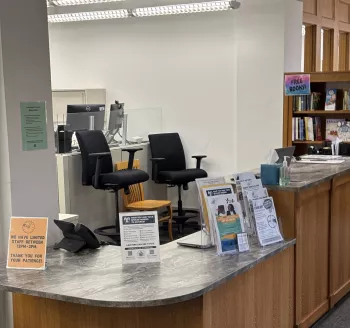
How We Can Serve You
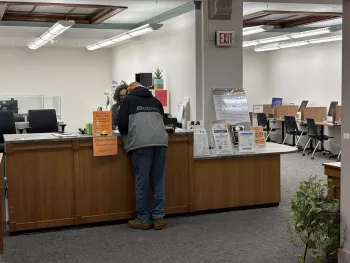
The Court Help Center is available to provide free general information about court procedures to people who do not have an attorney. Help Center staff cannot provide legal advice or act as your attorney. The Help Center can provide information on which court can hear your case. Many sample court forms and informational brochures are available. You may be able to obtain phone numbers of agencies which may be able to assist in your particular situation. Lawyer referral numbers are also available. If more detailed information is needed to research your case, the Supreme Court Law Library is located adjacent to the Court Help Center. The library has computers with internet access and printers available for public use. Library personnel can assist you to find the legal resources available.
It is important to note that this program is run by the court system. The courts and those working for the courts are neutral parties and can never take sides in any case or potential case.
Court Staff CAN:
- Explain court rules and procedures
- Provide available court forms and instructions
- Discuss procedural options that may be available to a litigant
- Explain general legal terminology
- Provide information as to where to look for statutes and rules
- Provide phone numbers to legal services and public agencies
Court Staff CANNOT:
- Explain how rules and procedures apply to your case
- Explain the rules and procedures of other courts
- Help you fill out the forms
- Advise you as to whether or not your papers are legally sufficient
- Evaluate your options
- Advise you as to which option to choose
- Evaluate whether or not you should start a case
- Advise you as to which laws may be applicable to your situation
- Interpret statutes or court rules for you
- Provide you with a personal reference to an attorney
PLEASE BE AWARE: If you are currently involved in litigation or are looking to begin a lawsuit, it is highly recommended that you HIRE A LAWYER. Attorneys can provide personalized legal assistance tailored to the needs of your specific set of facts and circumstances. The Court Help Center should not and cannot replace the services of an attorney. The Center also cannot offer the legal protection of confidentiality that is recognized between an attorney and a client.